Loading...
Serving Clearwater, FL and surrounding areas. (727) 296-0359
FramePro Clearwater Sunrooms builds four season sunrooms, screen rooms, and patio enclosures for Palm Harbor homeowners. We know the CBS ranch homes, the Gulf-side salt air, and the Pinellas County permit process - and every build reflects that local knowledge. New inquiries receive a response within one business day.
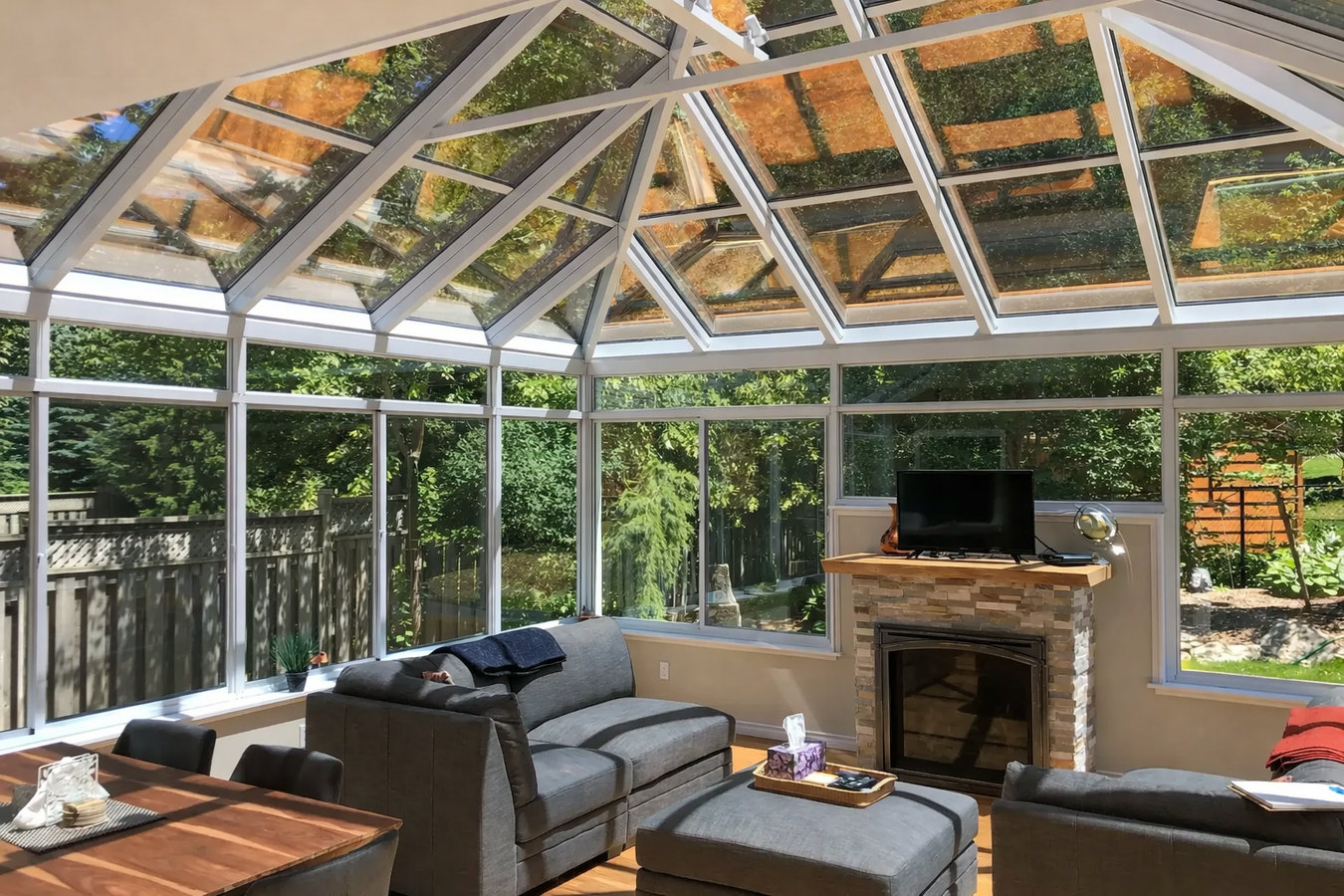
Palm Harbor summers are long and intense, and a room that is only usable eight months a year defeats the purpose. A four season sunroom with Low-E glass, insulated panels, and dedicated climate control gives you a fully conditioned space that stays comfortable even when the heat index pushes past 100 degrees.
Screen rooms are one of the most popular upgrades in Palm Harbor because they give you outdoor air and views without the insects and UV exposure. Living close to St. Joseph Sound and the Gulf means bugs are a genuine nuisance from spring through fall, and a quality screen enclosure solves that.
Palm Harbor's afternoon thunderstorm pattern is relentless from June through September, dumping an inch or more of rain in under an hour. A solid patio enclosure keeps your outdoor furniture and living area protected and lets you use the space through the wet season instead of retreating inside every afternoon.
Palm Harbor's single-story ranch homes sit on wide lots with generous backyard space - which makes them well-suited for a sunroom addition. Many homeowners here use the added room as a reading space, home office, or informal dining area that captures natural light without the full sun exposure.
A covered patio or lanai that already sits on a slab is a natural starting point for an enclosure. Converting that existing space into a sunroom is typically more affordable than adding new square footage and keeps the disruption to your yard to a minimum - a consideration on many Palm Harbor lots with pools or mature landscaping.
Many Palm Harbor homes from the 1980s and 1990s have existing screen enclosures or sunrooms that have aged out. Remodeling means replacing single-pane glass, corroded aluminum frames, or torn screens with materials built for the Gulf Coast climate - and it is usually less disruptive than tearing everything out and starting over.
Palm Harbor's housing stock is dominated by single-family CBS homes built between the 1970s and 1990s. At 30 to 50 years old, those homes were not designed with today's energy standards, and many of the original screen enclosures and lanais have hit the end of their useful life. Concrete block construction requires specific anchoring and flashing techniques that differ from wood-frame work. A contractor who cuts corners on CBS attachment points will end up with a sunroom that leaks at the wall transition or wobbles in the first major storm.
Palm Harbor's Gulf Coast position creates two specific demands. First, salt air from St. Joseph Sound and the Gulf reaches well inland and attacks standard aluminum hardware and bare fasteners over time - marine-grade materials are not optional near the water here, they are necessary. Second, because Palm Harbor has no municipal government of its own, all permitted work goes through Pinellas County Building Services, and the county enforces Florida's high-wind construction standards throughout. Any sunroom built here must be engineered for those wind loads and pass county inspection - and that process requires contractors who know the Pinellas County permit workflow specifically.
Our crew works throughout Palm Harbor regularly, and we understand the local conditions that affect sunroom contractor work here. Because Palm Harbor is unincorporated, all permits go through Pinellas County Building Services, and we pull permits there directly for every permitted project. We know the county inspector expectations for sunroom and enclosure work and how to get projects through the approval process efficiently.
Palm Harbor's neighborhoods range from waterfront properties along St. Joseph Sound near Honeymoon Island State Park to inland subdivisions off US-19, and from golf-course communities around Innisbrook to modest ranch streets closer to the county line. Homes near the water deal with more aggressive salt exposure and sometimes sit in flood or surge zones. Inland homes tend to have larger yards and more room to work. We treat each property based on what it actually needs - not a one-size-fits-all spec.
Palm Harbor shares a lot with its neighbors to the north and south. We serve homeowners in Tarpon Springs just up the coast, and we work regularly in Dunedin to the south - both communities with similar CBS construction and Gulf Coast exposure.
Call or submit the contact form and we follow up within one business day to set a free on-site estimate. No charge, no obligation - just a conversation about what you want.
We visit your Palm Harbor property, measure the space, review the slab or foundation, note proximity to salt air or flood zones, and put together a detailed written quote. The cost is settled in writing before any work starts.
We file permit applications with Pinellas County, track the status, and notify you when approval comes through. You do not need to contact the county office yourself - we handle that step entirely.
Most builds run two to six weeks. We coordinate the county inspections required at each stage and do a final walkthrough with you once the project is complete. You should not have to chase us down - we keep you informed.
We serve homeowners throughout Palm Harbor and the surrounding Pinellas County area. Call us or submit the form and we will respond within one business day with a free estimate.
(727) 296-0359Palm Harbor is a large unincorporated community in Pinellas County with a population of around 60,000 people spread across several zip codes including 34683 and 34684. Because it has no city government of its own, residents deal directly with Pinellas County for permits, code enforcement, and public services. The area grew quickly during the suburban boom of the 1970s through the 1990s, and that growth shaped a housing stock dominated by single-story CBS ranch homes on modest lots with attached garages and covered lanais. Home ownership rates here are well above the national average, and most residents are long-term owners with a real stake in their property.
The community stretches from the Gulf Coast shoreline near Honeymoon Island State Park and Wall Springs Park east to US-19, and includes golf-course communities like those surrounding Innisbrook Resort. The mix of waterfront, lakefront, and inland neighborhoods gives Palm Harbor a varied character. Nearby Tarpon Springs sits just up the coast to the north, while Dunedin is directly to the south along the same Gulf shoreline.
Estimates are free and there is no obligation. Call now or send us a message and we will schedule a visit to your Palm Harbor home within the week.