
Loading...
Serving Clearwater, FL and surrounding areas. (727) 296-0359
FramePro Clearwater Sunrooms builds sunroom additions, patio enclosures, and screen rooms for Tampa homeowners - whether you have a craftsman bungalow in Seminole Heights or a stucco home in New Tampa. We know Tampa's building stock, Hillsborough County permit requirements, and Gulf Coast materials, and we respond within one business day.
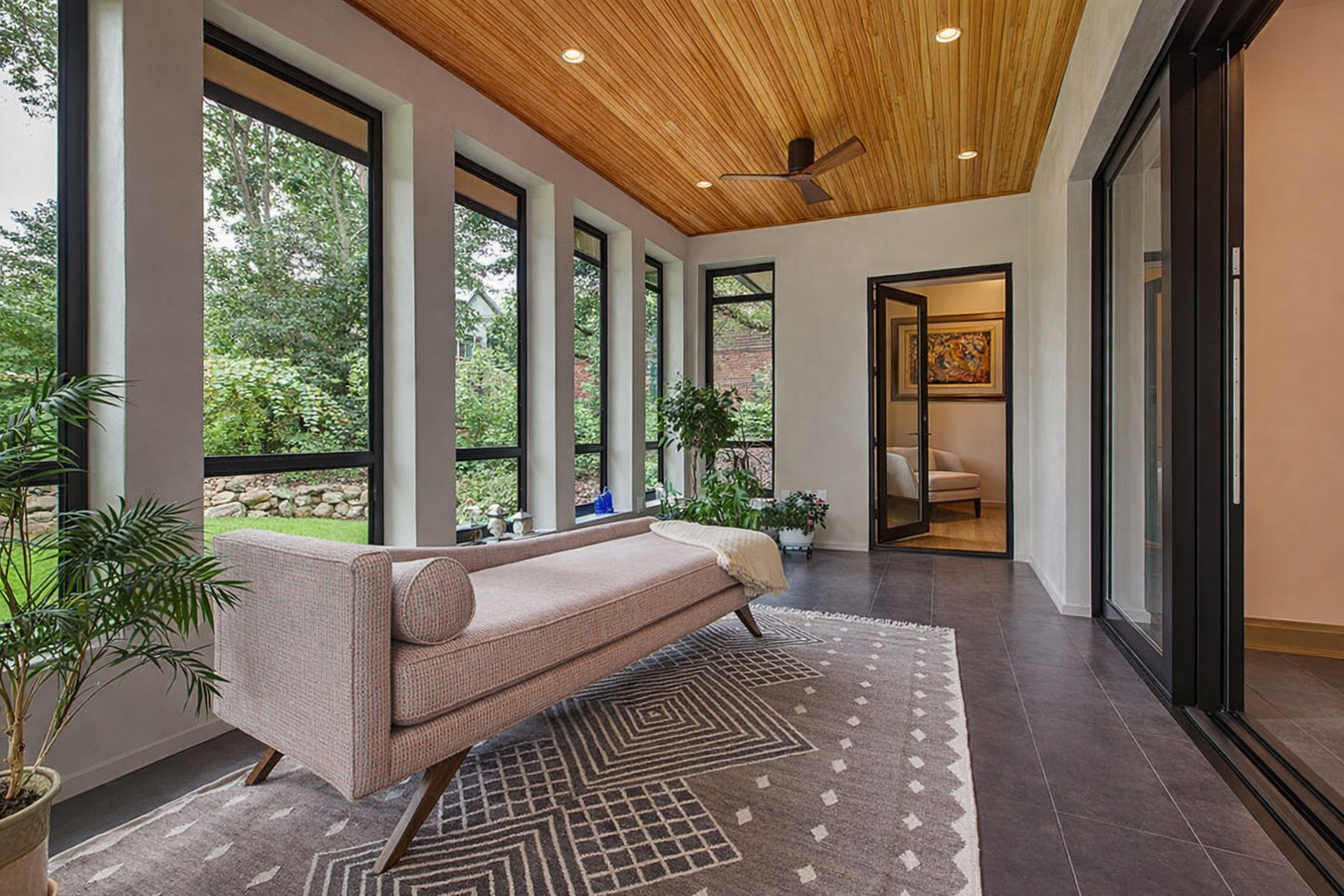
Tampa homeowners have a lot of variety in their housing stock, but the need for a proper year-round addition is consistent across neighborhoods. A sunroom addition adds climate-controlled living space to your home that works in Tampa's summer heat and mild winters - designed to attach to your specific structure, whether that is wood-frame, concrete block, or stucco.
Tampa's afternoon thunderstorms roll in reliably from June through September, and an unenclosed patio is at their mercy every day. A patio enclosure gives you a covered outdoor space that is actually usable through the storm season, and it protects outdoor furniture and surfaces from the combination of intense UV and heavy rain that Tampa delivers every summer.
Tampa has a long warm season and real insect pressure, especially near Hillsborough Bay and low-lying neighborhoods that retain water after rain. A screen room is the most direct solution for homeowners who want to use their patio in the evenings without fighting mosquitoes - and it is often the first step for homeowners who later upgrade to a full enclosure.
Many Tampa homes from the 1970s through 1990s have covered concrete patios or lanai slabs at the rear of the house. Converting that existing footprint into an enclosed room is a cost-effective way to add real living space because the slab and overhead structure are already in place - you are not starting from scratch.
Tampa's weather is genuinely enjoyable from October through May, and a three season room lets you get the most out of those months without the full cost of a climate-controlled addition. Screened or vented walls keep air moving, and a ceiling fan handles most evenings comfortably well into late spring before Tampa's summer humidity sets in.
Tampa's summers are long, hot, and humid - a poorly designed sunroom is unusable from June through September. A fully insulated four season room with Low-E glazing and a dedicated mini-split system gives you a space that is genuinely comfortable all year, not just on the pleasant days. For Tampa homeowners planning to use the room regularly, the climate control investment makes the difference.
Tampa does not have one type of home - it has many. The craftsman bungalows in Seminole Heights and Hyde Park are wood-frame construction from the early 1900s with different attachment requirements than a 1980s CBS ranch in Carrollwood or a tile-roof stucco home in Westchase. A sunroom contractor who treats every project the same will miss what matters on each. Attaching to older wood framing requires different flashing and structural considerations than anchoring into concrete block. Getting it right starts with knowing which house you are standing in front of.
Tampa's climate creates its own demands. The city averages roughly 246 sunny days per year, and summer brings intense UV exposure that degrades caulk, coatings, and glazing faster than in cooler markets. Tampa Bay's proximity means salt air is present across a wide area, and the sandy, low-lying terrain in many Tampa neighborhoods causes drainage and foundation settling that can affect how a slab holds up over time. Hurricane season is also a real factor here - Hurricane Milton hit the Tampa Bay area in October 2024, and any addition or enclosure we build is designed to handle the wind and rain loads that come with living in this part of Florida.
Our crew works throughout Tampa regularly, and permitted projects go through the City of Tampa Building and Development Services. We know what Tampa inspectors look for on sunroom and enclosure permits, and we put together permit packages that are complete on the first submission to avoid back-and-forth that delays your project.
Tampa's neighborhoods each have their own character. From the brick streets of Ybor City and the historic homes along Bayshore Boulevard to the newer stucco subdivisions in New Tampa and Westchase, we have worked on properties across the city. Each area has a different housing stock, and we approach each job with that context in mind.
We also serve homeowners in neighboring Largo to the west and Safety Harbor to the northwest, just across Tampa Bay on the Pinellas County side.
Call us or submit the contact form and we reply within one business day to schedule a free on-site estimate at your Tampa property. No fee and no pressure - we just come out and look at what you have.
We visit the property, look at your existing structure and slab, and talk through your options. Cost and timeline are addressed here so you have a clear picture before committing to anything. You get a written quote with a firm price.
We file the permit application with the City of Tampa on your behalf. Once it is approved, we put your project on the build schedule and keep you updated as we move forward.
Most Tampa screen rooms and enclosures take one to three weeks. Full sunroom additions typically run three to six weeks. We coordinate required city inspections and walk the completed project with you before closing out the job.
We serve homeowners throughout Tampa and the surrounding Hillsborough County area. Call us or fill out the form and we will respond within one business day with a free estimate for your Tampa property.
(727) 296-0359Tampa is the third-largest city in Florida with around 400,000 residents, and the Tampa Bay metro area reaches roughly 3.2 million people. The city sits on Tampa Bay and the Hillsborough River, with flat terrain and a low-lying profile that makes drainage and flooding a consideration in many neighborhoods. Tampa's housing stock is unusually diverse for a city of its size. Historic neighborhoods like Seminole Heights, Hyde Park, and Ybor City have homes from the early 1900s - wood-frame craftsman bungalows and Victorians with their own maintenance character. Postwar neighborhoods in the central city have the concrete block ranch homes common across Florida. Newer subdivisions in New Tampa, Westchase, and Carrollwood feature tile roofs and stucco construction from the 1990s and 2000s.
Tampa is also home to large employers including MacDill Air Force Base, Tampa General Hospital, and the University of South Florida, and the city has a stable owner-occupant population that invests in maintaining and improving their properties. Neighboring Safety Harbor sits just across Tampa Bay to the northwest, while Largo lies to the west in central Pinellas County.
Estimates are free and there is no obligation. Call now or send us a message and we will schedule a visit to your Tampa home within the week.